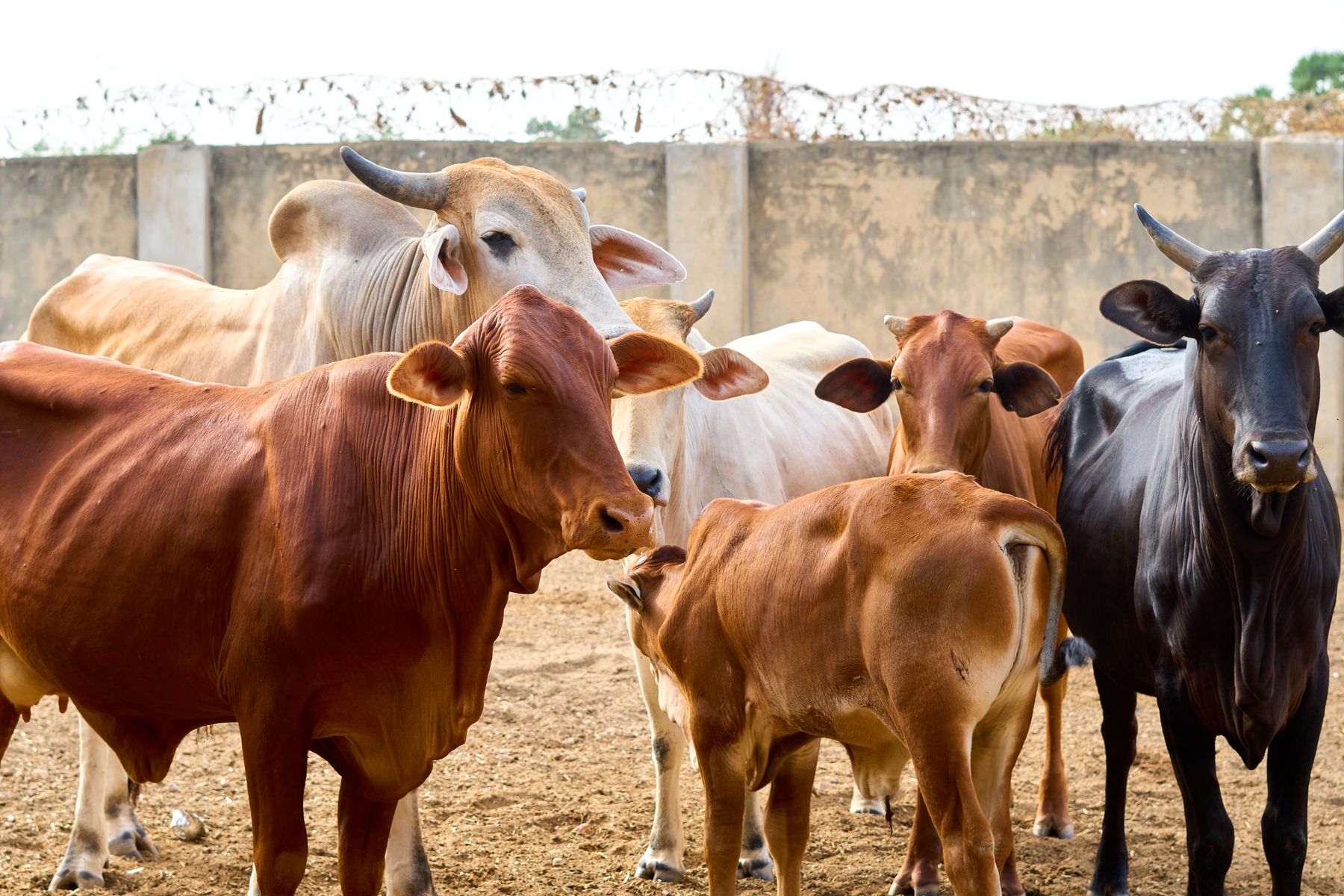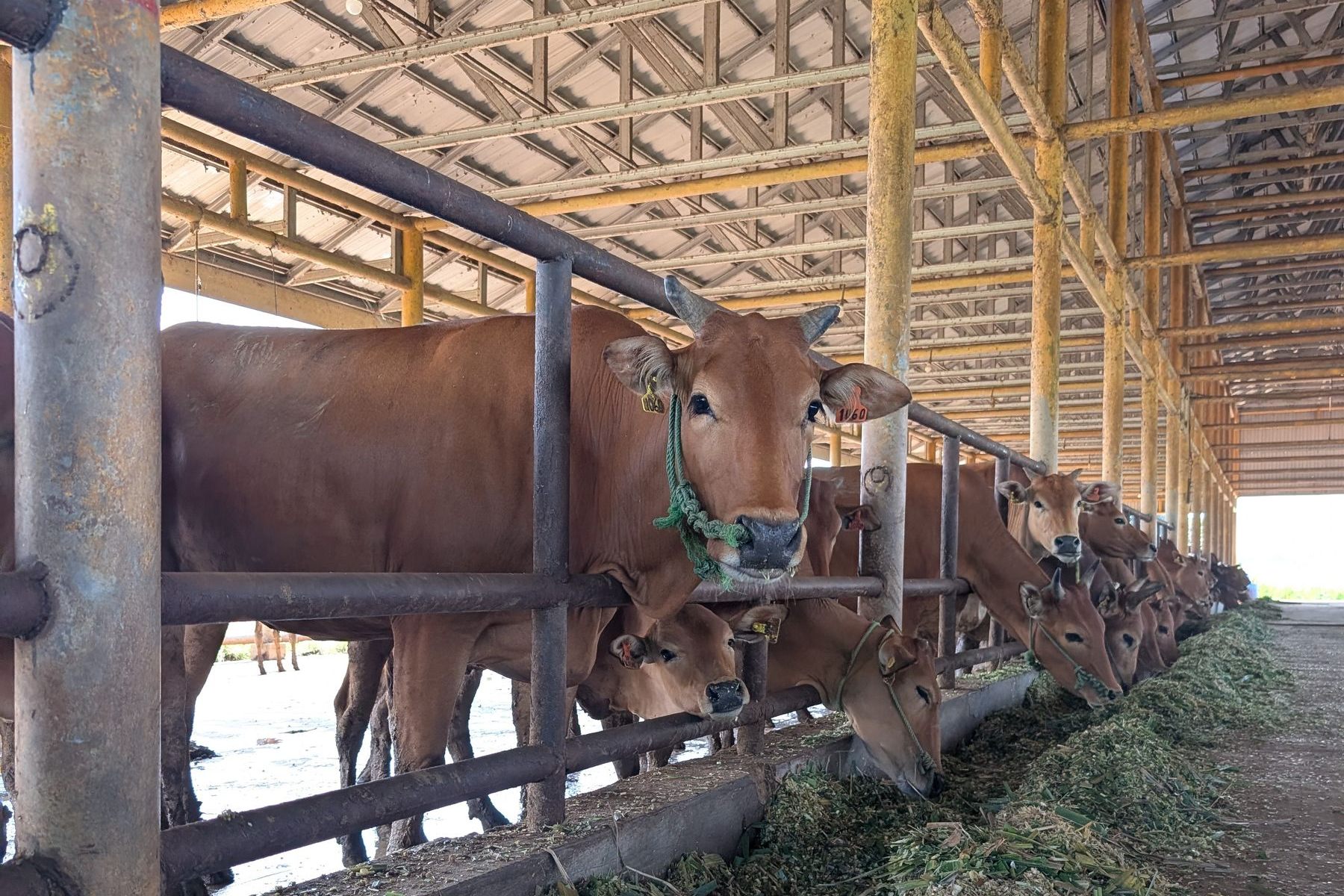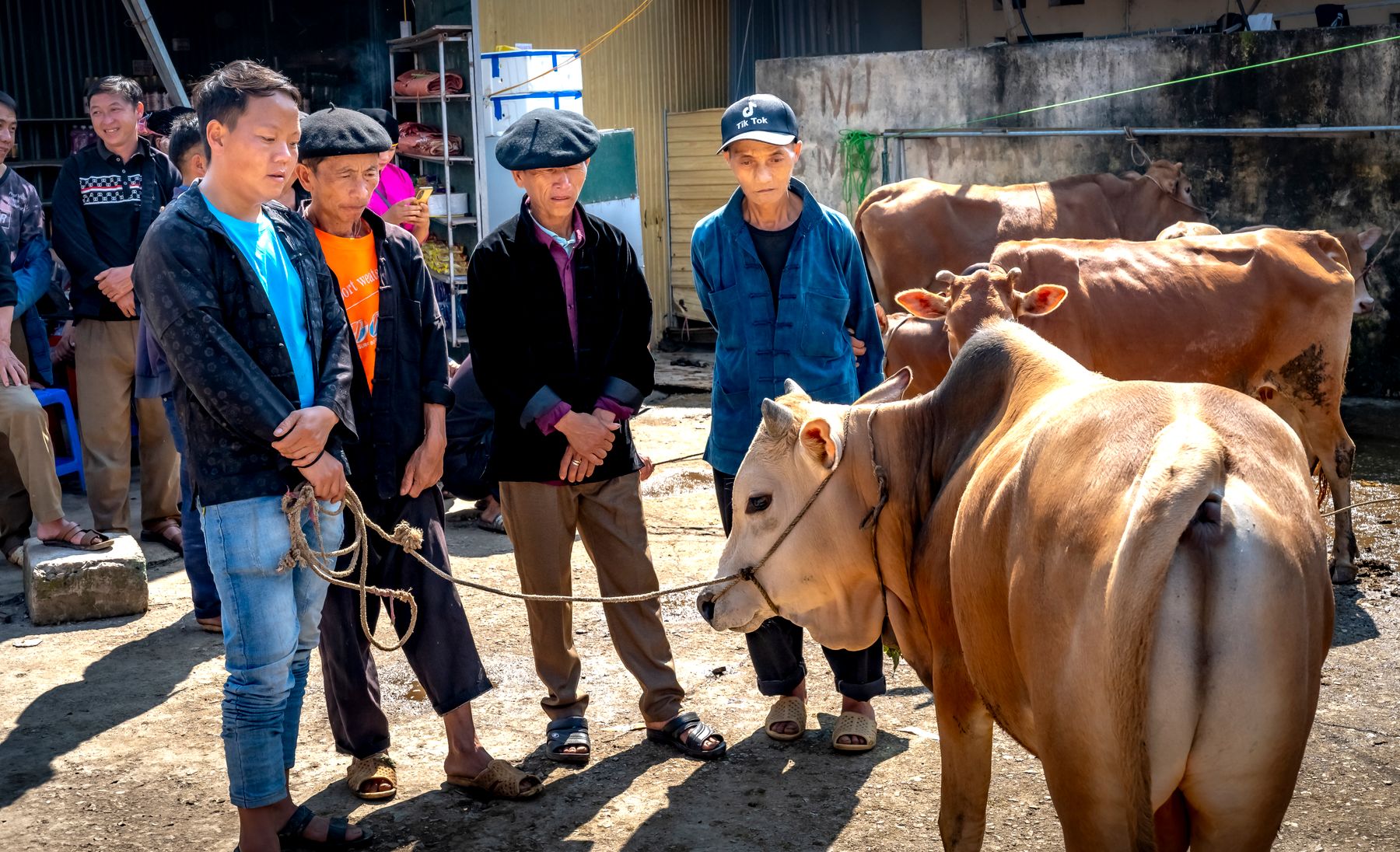
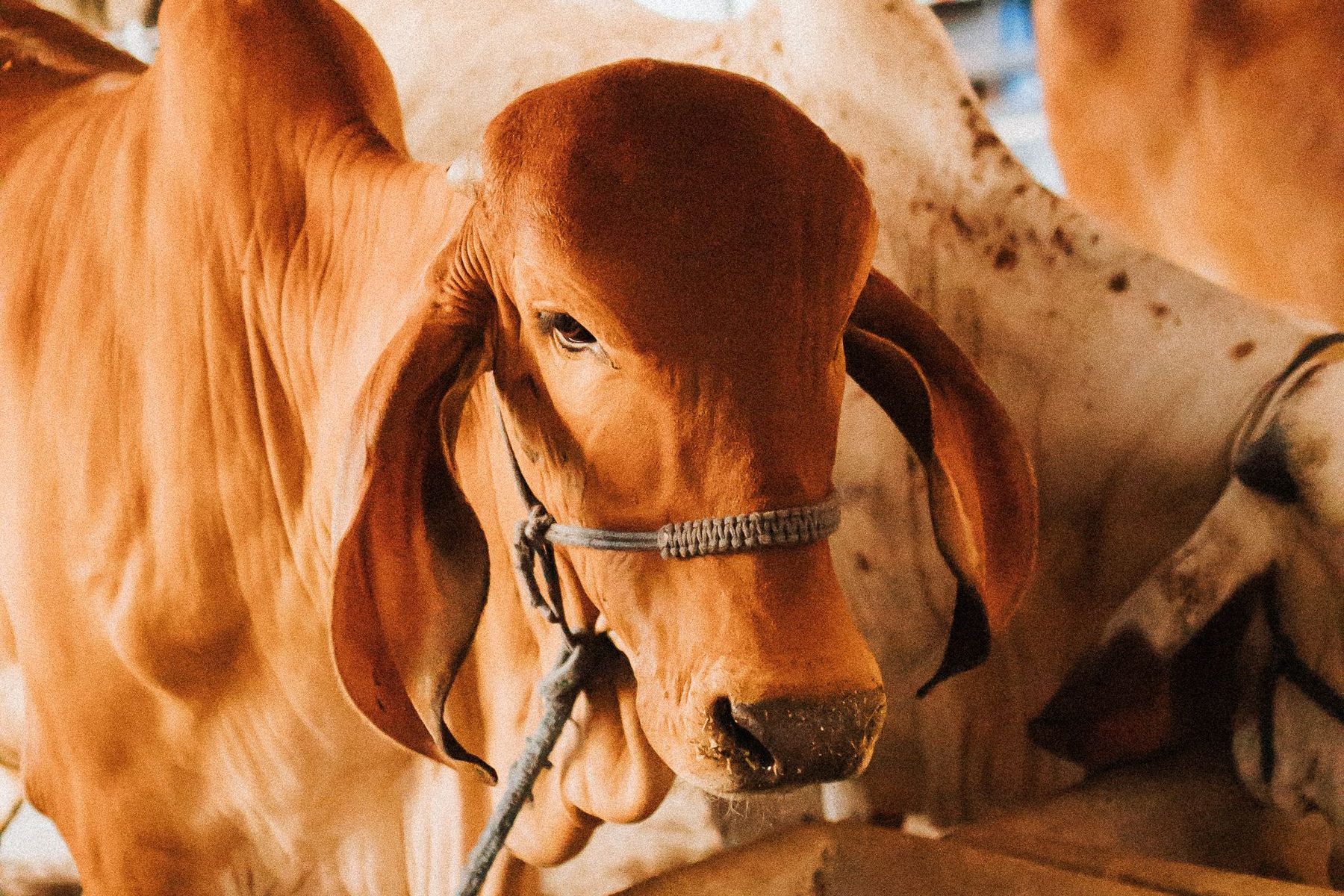
A heavy animal is not necessarily a well-finished animal. Weight matters, but it is only one part of a much bigger picture.
At Shajra Livestock, we look at the complete journey of each animal: its initial condition, feeding programme, health management, physical development and readiness for sale. Buyers should consider the same factors when assessing cattle.
Begin with the Individual Animal
Breed can influence frame, adaptation and growth characteristics, but two animals of the same breed may develop differently.
A practical assessment should consider:
- General alertness and behaviour.
- Body condition and muscular development.
- Sound movement and posture.
- Appetite and feeding response.
- Overall symmetry and physical condition.
- Available health and management information.
This is why cattle should be evaluated individually rather than purchased on breed name or appearance alone.
Nutrition Must Be Balanced
Healthy weight gain requires more than simply increasing the amount of feed.
A structured ration should provide suitable energy, protein, fibre, minerals and clean water. Fodder, grains and silage each serve a purpose within a balanced feeding programme.
Sudden changes in diet can disrupt digestion. Responsible fattening therefore involves gradual ration adjustments and regular observation of each animal’s response.
Health Supports Performance
An animal cannot use nutrition efficiently when illness, parasites, lameness or persistent stress interfere with normal feeding and development.
Preventive care, veterinary oversight and timely treatment protect both animal welfare and farm performance. Daily observation is especially important because changes in appetite, movement or behaviour may be early signs that an animal needs attention.
Finish Is Not the Same as Carcass Yield
Live appearance and weight can help buyers evaluate cattle, but they cannot guarantee an exact quantity of meat after slaughter.
Carcass recovery and saleable meat yield can vary according to gut fill, body condition, age, processing methods, trimming standards and other factors. Commercial buyers should apply their own procurement criteria rather than relying on a single visual characteristic.
Inspect Before You Decide
A farm visit allows buyers to compare animals, ask questions and understand the applicable pricing model.
Shajra Livestock offers Sahiwal, Cholistani and selected Desi crossbred cattle from Toba Tek Singh. Pricing may be based on live weight or a fixed per-animal rate, depending on the selected cattle.