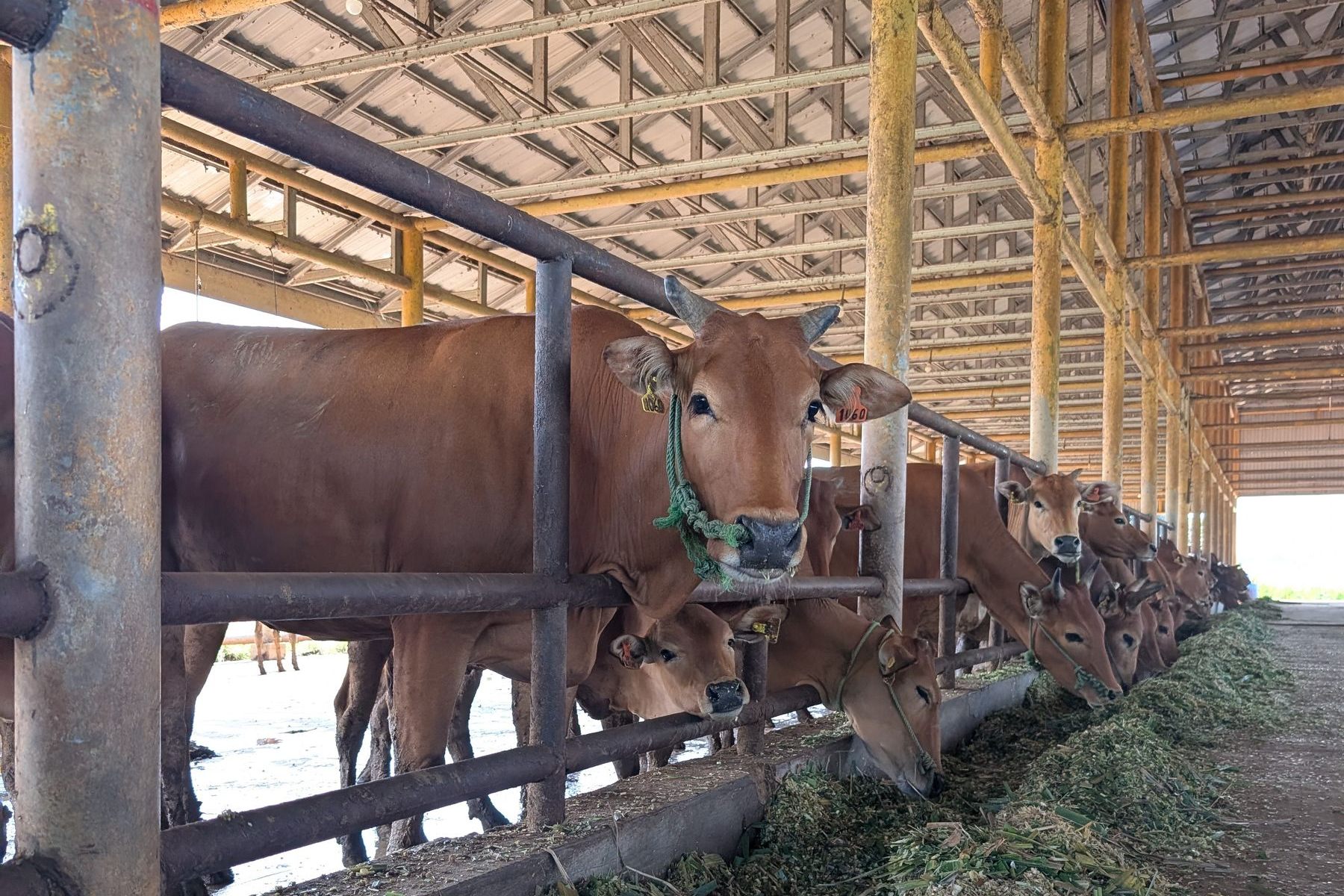
Scientific cattle fattening is not about forcing animals to gain weight as quickly as possible. It is about managing nutrition, health and the farm environment in a structured way.
The process begins before the first ration is served.
Step 1: Selecting Suitable Cattle
Animals entering a fattening programme should be evaluated for general health, frame, mobility, appetite and development potential.
Not every animal responds to the same programme in the same way. Age, genetics, previous nutrition and current condition can all affect progress.
Step 2: Allowing an Adjustment Period
New cattle require time to settle into their environment.
Feed changes should be introduced progressively. Abrupt ration changes can disturb normal digestion and reduce feed intake—the opposite of what a well-managed programme is trying to achieve.
Farm teams should closely observe appetite, behaviour, movement and general condition during this period.
Step 3: Building a Balanced Ration
A cattle-fattening diet may combine green or dry fodder, grains, silage, protein sources, minerals and clean water.
The objective is to provide enough energy for development while maintaining the fibre and nutrients necessary for healthy digestion.
“More feed” is not automatically “better feeding.” The balance and consistency of the ration matter.
Step 4: Monitoring Health
Vaccination schedules, parasite control where appropriate, veterinary assessment and daily observation all support herd health.
If an animal becomes sick, treatment should not be delayed merely to preserve a marketing claim. Responsible management places animal health first and observes applicable veterinary withdrawal periods before the animal enters the food chain.
Step 5: Assessing Development
Progress should be evaluated through more than visual size.
Body condition, muscular development, movement, appetite and weight can help determine whether an animal is advancing appropriately. Feeding may need to be adjusted as cattle move through different stages.
Step 6: Preparing for Sale
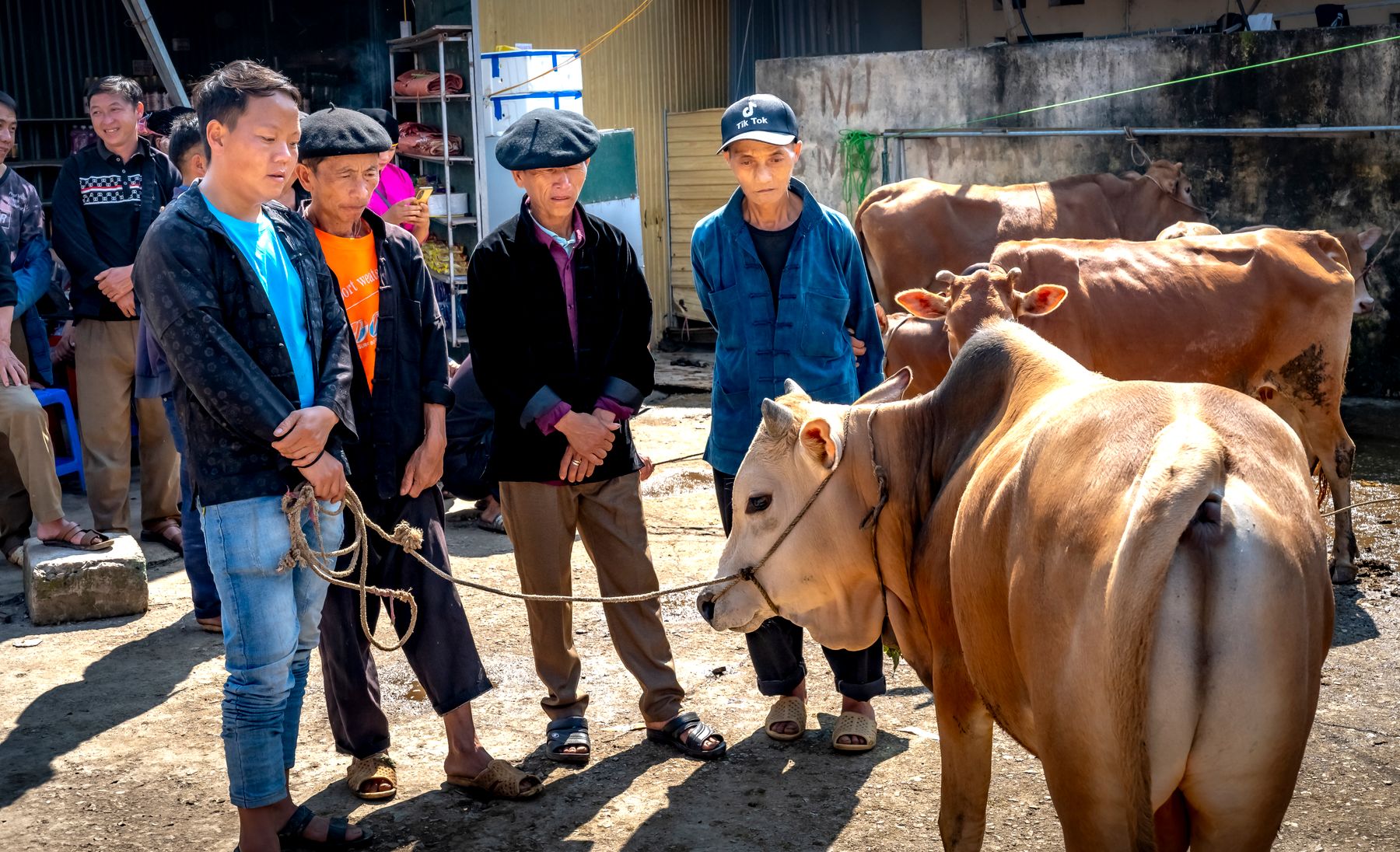
When cattle reach a suitable stage, they can be grouped or presented according to breed, condition, approximate size and applicable pricing.
The result is not manufactured overnight. It reflects the complete management cycle.
At Shajra Livestock, we focus on nutrition-led growth without added growth hormones or anabolic steroids.