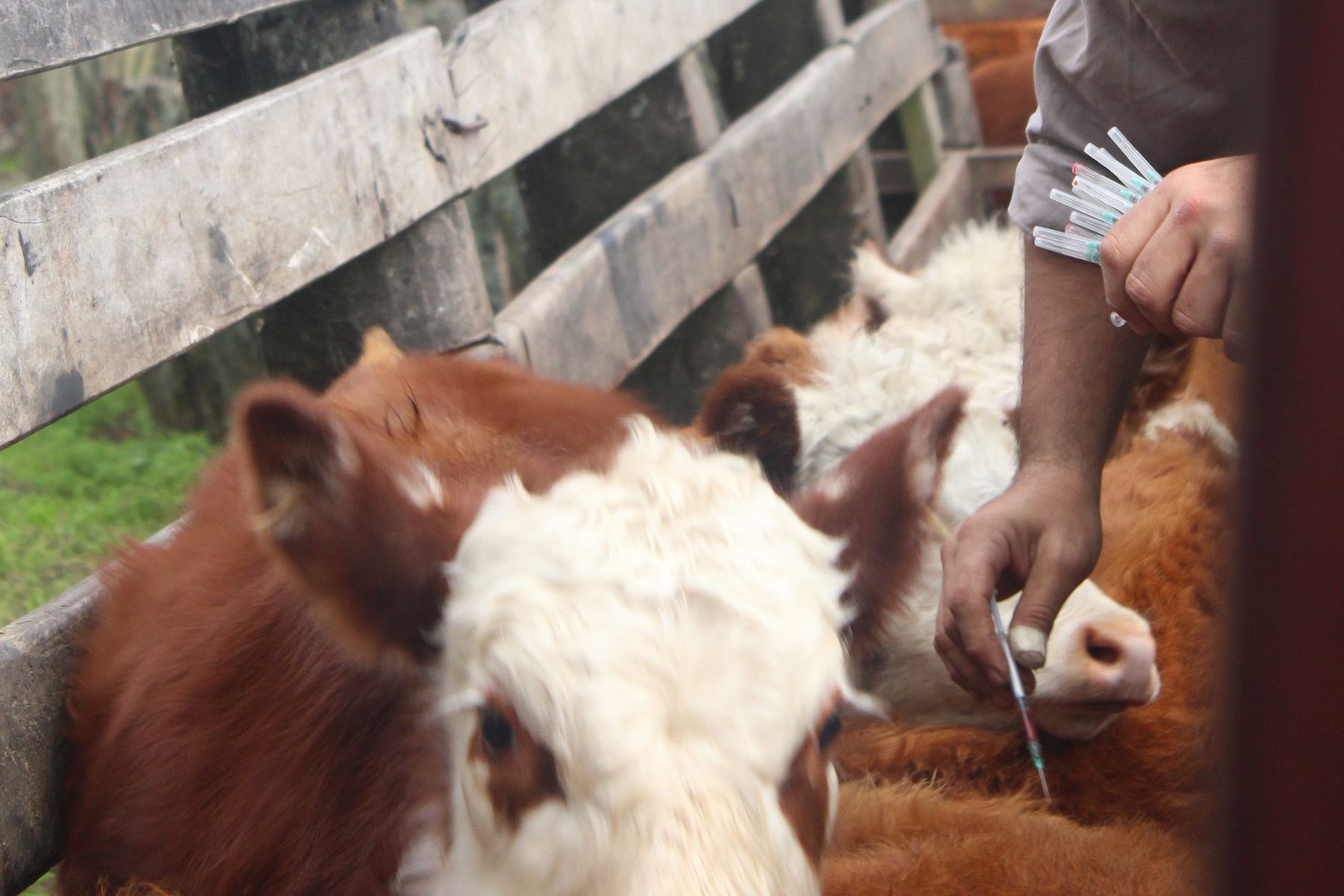
Good feeding cannot compensate for poor health management.
Preventive veterinary care supports animal welfare, feeding performance and responsible livestock production. It also helps farm teams identify problems before they affect more animals.
Daily Observation Comes First
Farm workers spend more time around cattle than any visiting professional. Their observations are therefore an important part of herd health.
Changes worth reporting may include:
- Reduced appetite or water intake.
- Unusual isolation from the group.
- Difficulty walking or standing.
- Coughing or abnormal breathing.
- Digestive changes.
- Sudden changes in behaviour.
Observation does not replace veterinary diagnosis, but it can help identify when professional assessment is needed.
Vaccination Supports Prevention
Vaccination programmes should reflect local disease risks, the animals involved and veterinary advice.
A vaccine is not a substitute for good sanitation, nutrition or biosecurity. It is one component of a broader health-management system.
Records should identify what was administered, when it was administered and which animals were covered.
Biosecurity Protects the Herd
People, vehicles, equipment and newly arriving animals can introduce disease risks.
Practical biosecurity may include controlled access, cleaning routines, appropriate management of new arrivals and separation of animals showing signs of illness.
The correct measures depend on the farm’s design and veterinary risk assessment.
Treatment Must Put Health First
“No unnecessary medicines” is a responsible objective. “Never treat an animal” is not.
Animals requiring care should receive suitable veterinary treatment. If medicines are used, records and applicable withdrawal periods help ensure that treated animals do not enter the food chain too soon.
Shajra Livestock’s position is straightforward: we do not use added growth hormones or anabolic steroids to promote weight gain, but animal health needs must still be addressed responsibly.
Better Records Build Better Decisions
Health records help farms understand recurring issues, evaluate preventive programmes and communicate more accurately with buyers.
That is where modern livestock management and the Shajra idea meet: responsible care supported by a meaningful record.