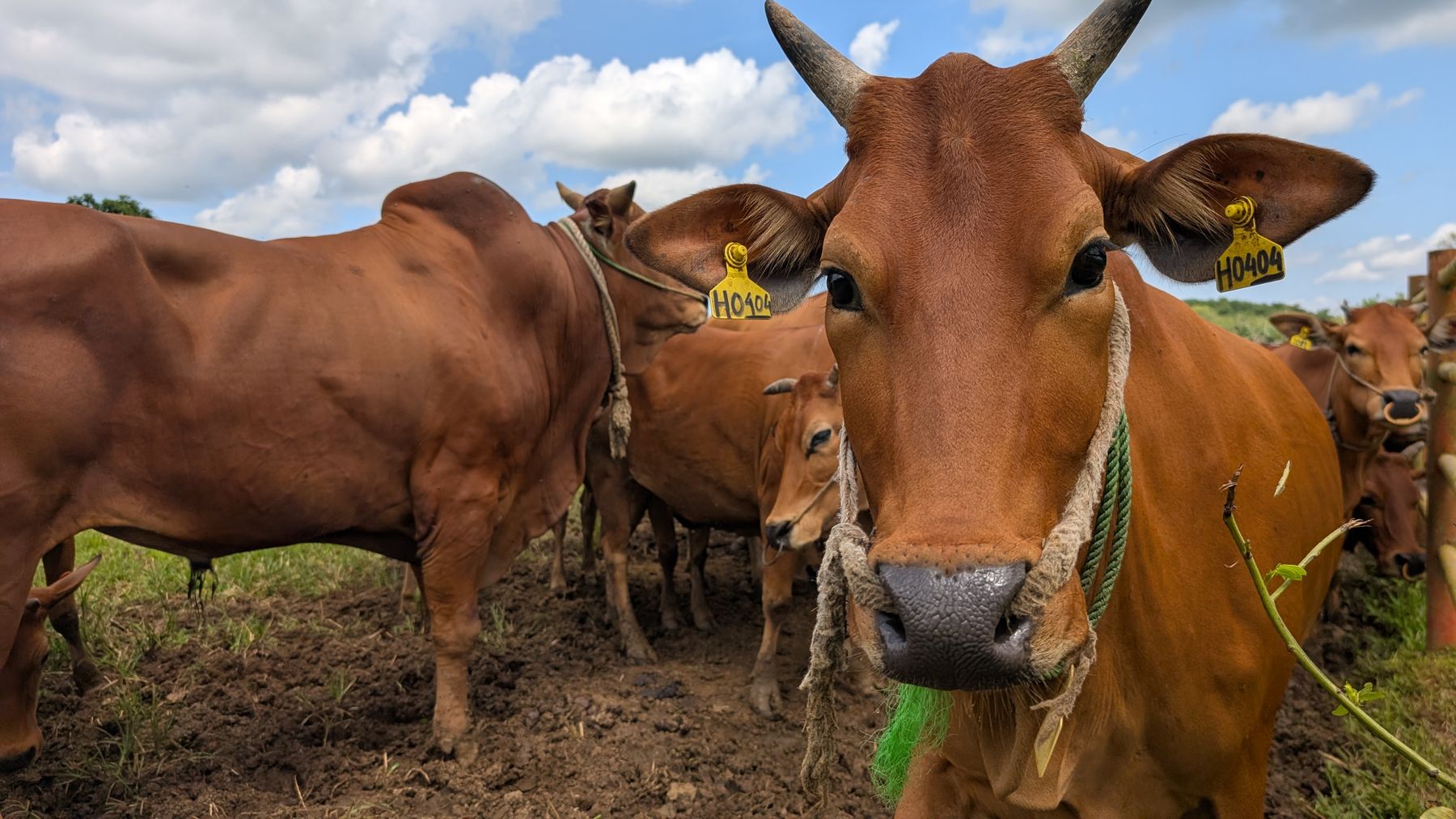
Trust is important in agriculture, but trust becomes stronger when it is supported by useful records.
Livestock traceability connects an animal—or a defined group of animals—to key events in its farm journey. It can help farmers manage cattle more effectively and give buyers clearer information.
What Can a Livestock Record Include?
Depending on the farm’s capabilities, a livestock record may include:
- Animal or group identification.
- Source information.
- Arrival date.
- Breed description.
- Weight observations.
- Feeding programme.
- Vaccinations and preventive care.
- Veterinary treatment.
- Withdrawal-period status.
- Sale and collection information.
Not every detail should necessarily be public. Commercial, employee and farm-security information must also be protected.
Identification Is the Foundation
Records are only useful when they can be connected to the correct animal or group.
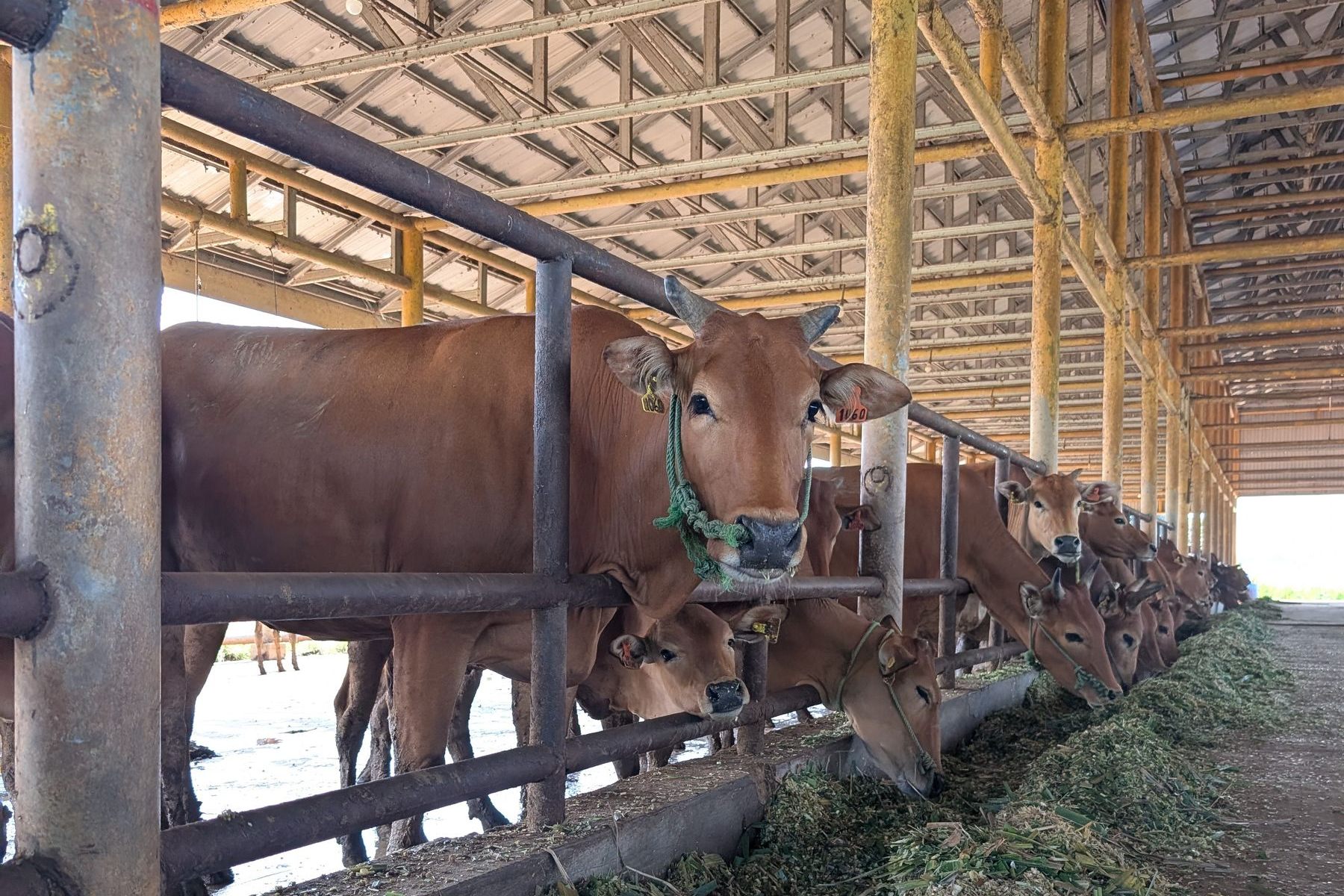
Ear tags, batch numbers and controlled digital records can reduce confusion. The chosen system should remain practical for farm workers and understandable to buyers.
Why Traceability Helps Farmers
Records help management compare feeding outcomes, monitor health programmes and identify recurring problems.
Instead of relying entirely on memory, farm teams can use recorded information to make better decisions.
Why It Helps Buyers
A buyer may want to know how cattle were managed, when they entered the farm or whether important health procedures were recorded.
Traceability does not eliminate the need for physical inspection, and it should never be used to make claims that the underlying records cannot prove. Its value comes from accuracy, consistency and relevance.
The Future: Shajra Origin
The word “Shajra” means more than ancestry in our brand. It represents the documented journey of land, animals, inputs and products.
Our long-term vision is to develop Shajra Origin: a practical provenance system that can connect buyers with verified information about the cattle and agricultural products behind the Shajra name.
The principle is simple:
Know where it came from. Understand how it was raised. Trace it to the source.
Until a specific traceability feature is operational, buyers should contact the farm directly for the information available on individual cattle or batches. You can see the format we intend to publish — three sample records, built to show the shape of a Shajra Origin entry.