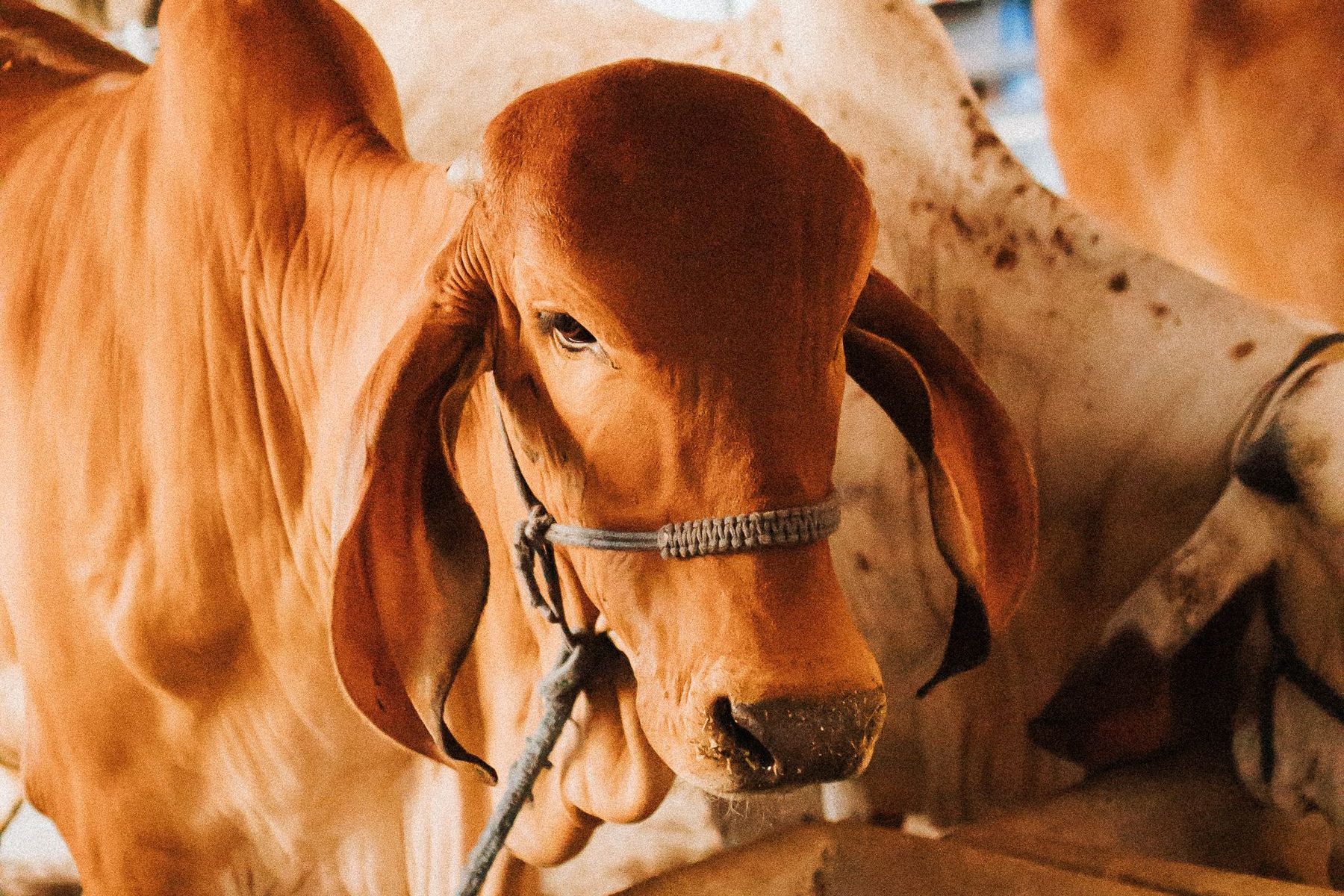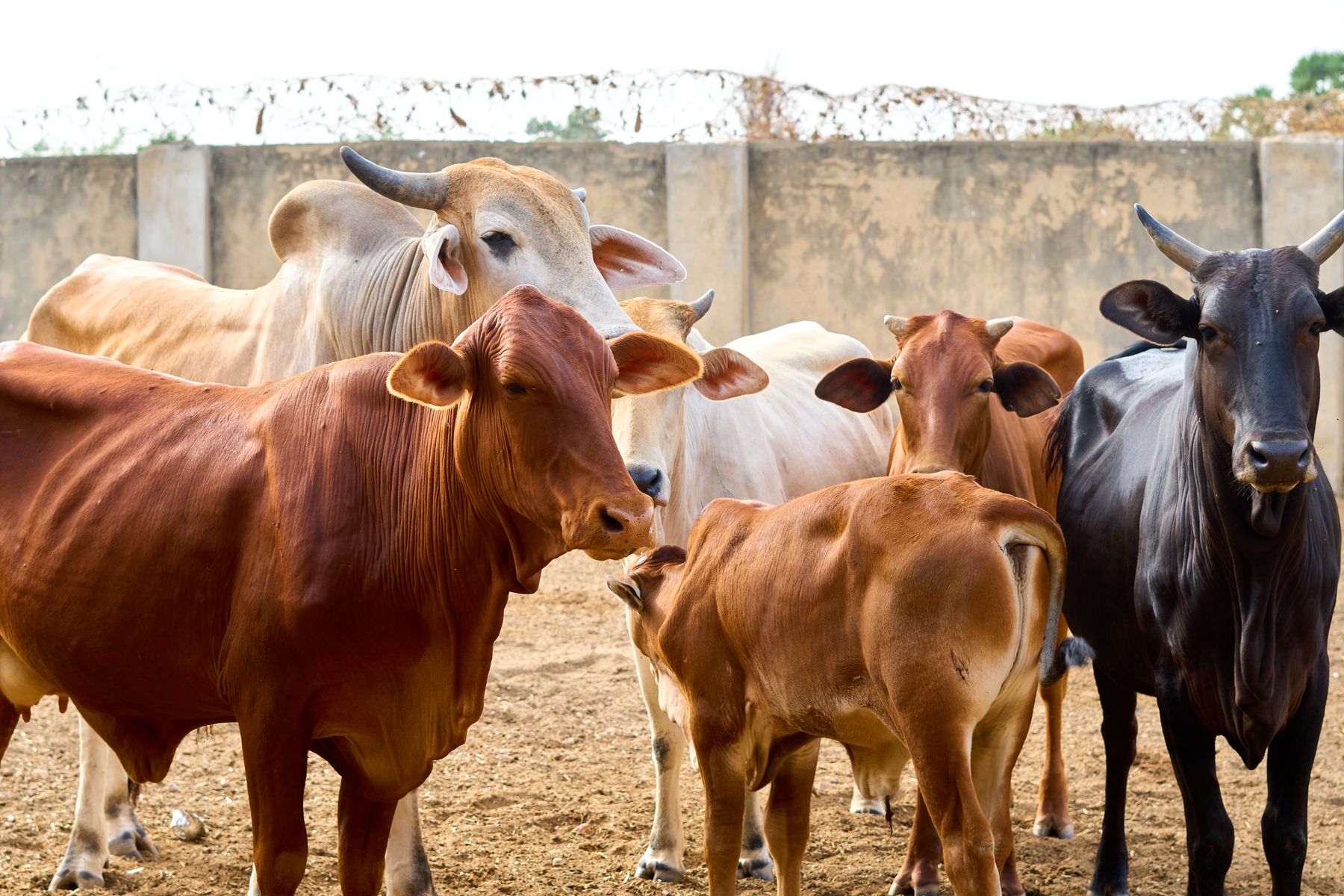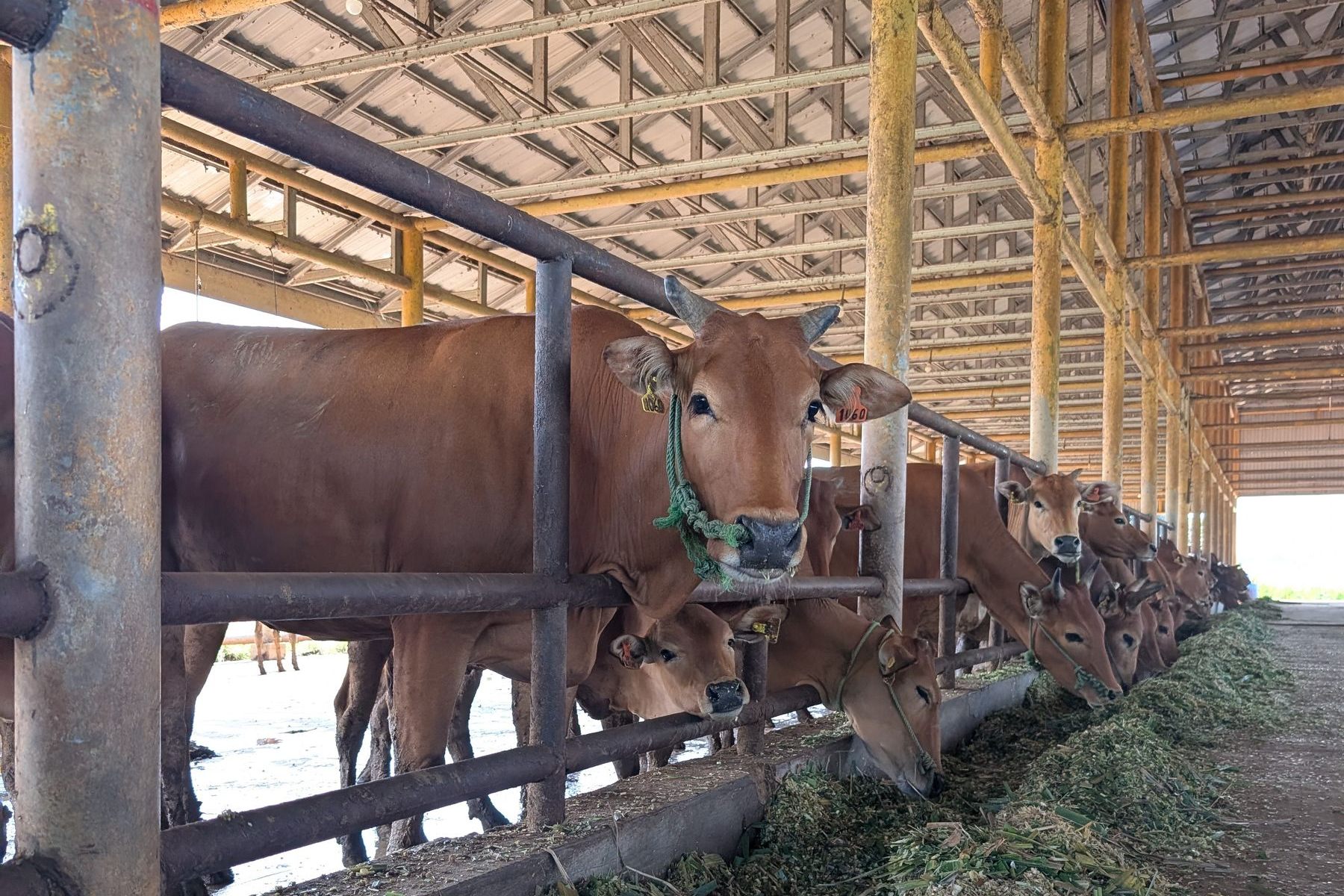
Cattle do not gain healthy condition from one “miracle” ingredient.
A responsible feeding programme brings together different feed components according to the animal’s needs. Fodder, grain and silage each contribute something different.
Fodder Supports Normal Digestion
Cattle are ruminants. Their digestive system depends on an appropriate supply of fibrous material.
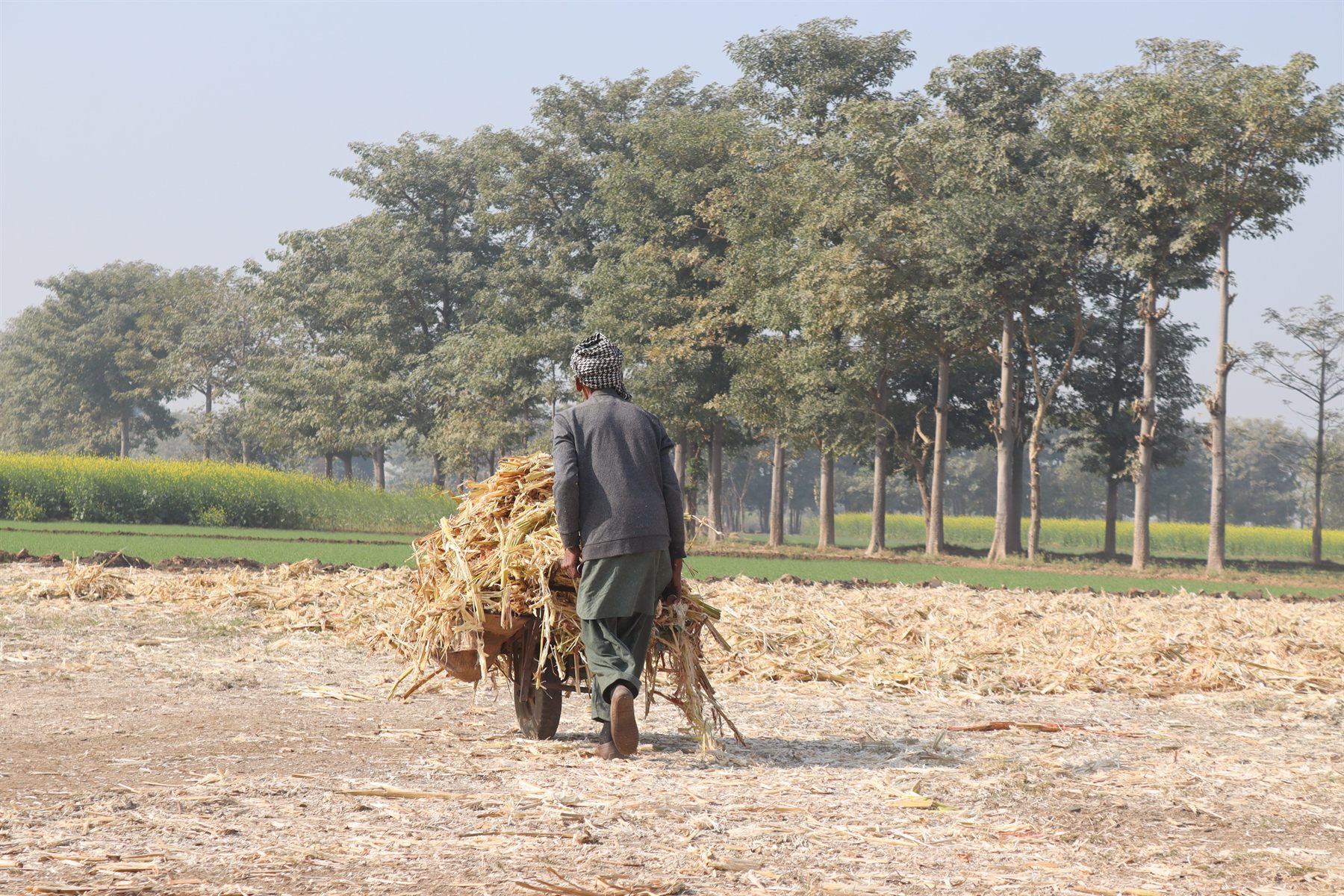
Green or dry fodder supports rumen function and forms an important part of many local feeding systems. Its nutritional value can vary with crop type, maturity, storage and growing conditions.
Grain Provides Concentrated Energy
Grains can increase the energy density of a ration and support weight gain during finishing.
However, grain must be introduced and managed carefully. Excessive or sudden concentrate feeding can disturb digestion. More grain does not automatically mean better results.
Silage Helps Preserve Feed
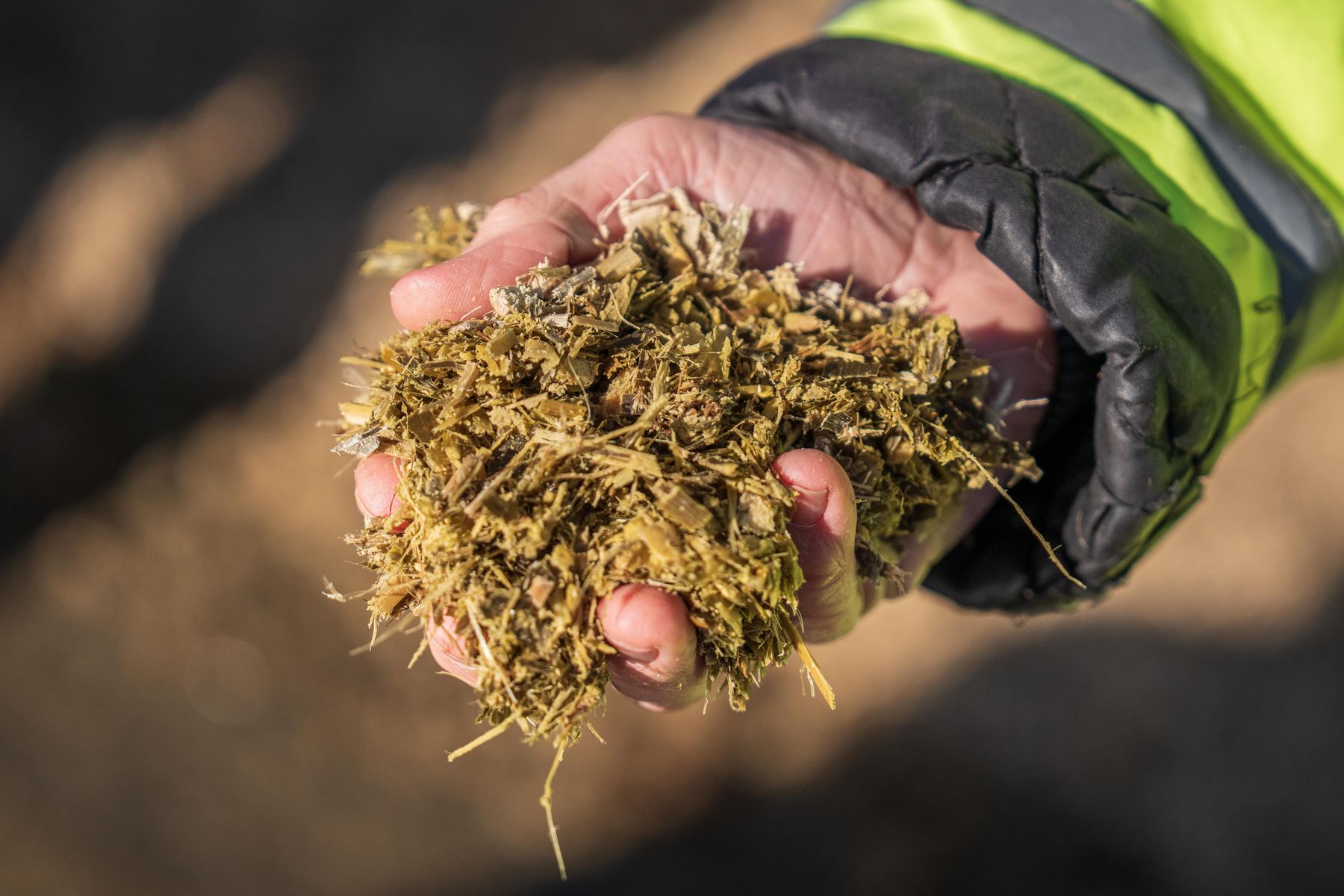
Silage is fermented forage stored under controlled conditions. It can provide a more consistent feed source when fresh seasonal fodder is limited.
Quality matters. Poorly prepared or spoiled silage should not be treated as acceptable simply because it has been stored.
Minerals and Water Are Essential
A ration may provide adequate calories while still lacking important minerals.
Mineral supplementation should be designed according to the feed ingredients and professional advice. Clean drinking water must remain continuously accessible because water intake directly supports feeding and normal body functions.
The Ration Must Fit the Animal
Breed, weight, age, condition and stage of development influence nutritional requirements.
This is why scientific fattening is not a single recipe applied blindly to every animal. It is a managed process involving suitable ingredients, gradual adjustment and regular observation.
At Shajra Livestock, we use nutrient-dense local fodder, grains and balanced silage to support nutrition-led development.